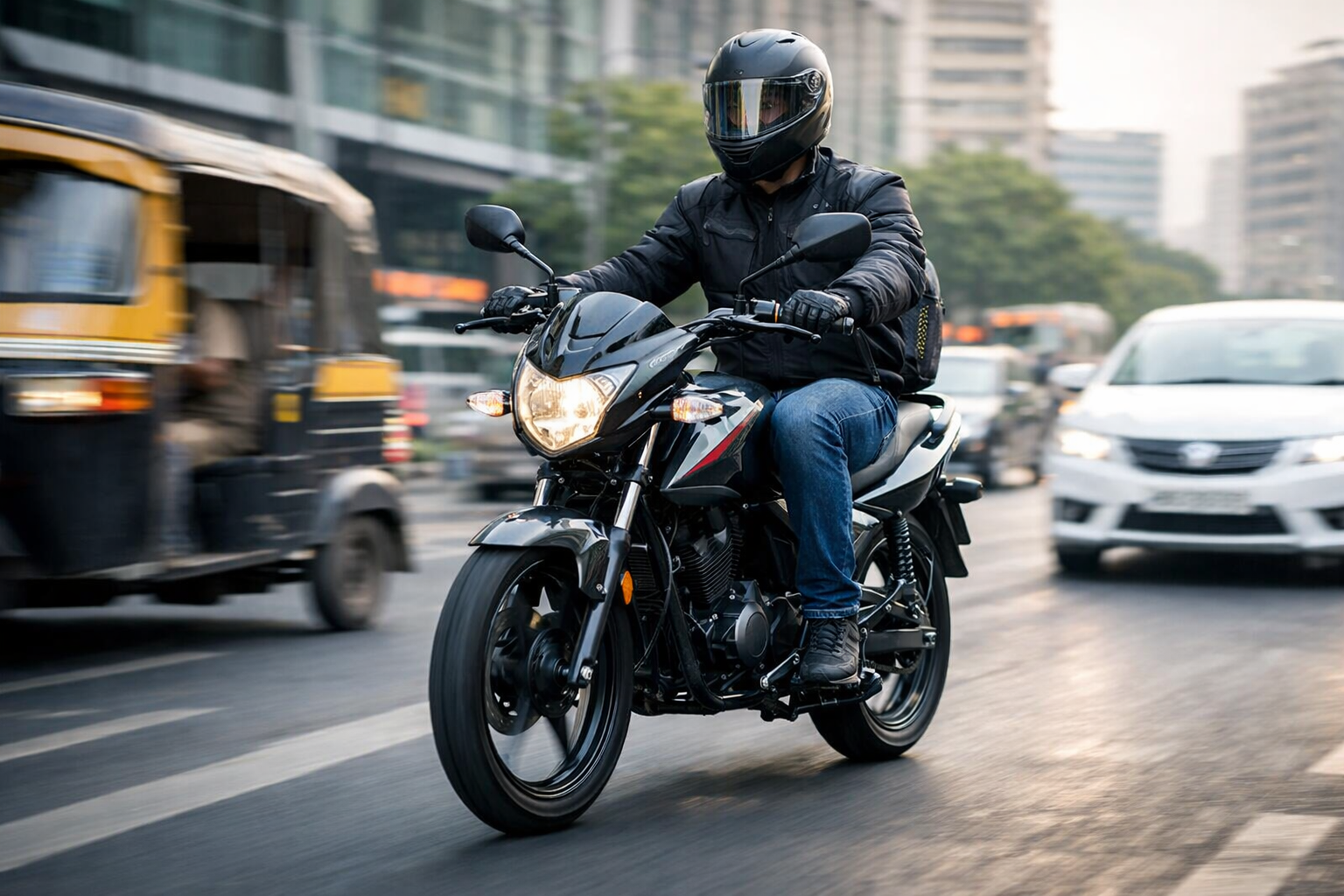
Mobility, in which the right bike is of key importance in daily living, has made the choice of a bike more significant than ever before. Whether traveling the busy streets in the city or making long trips on the highways, the current-day riders demand a perfect blend of performance, comfort, fuel consumption ability, and durability. There are too many choices to be made in the market, and it is easy to feel overwhelmed when making the right choice.
This press statement offers viable and intelligent tips to enable consumers to select the best bike, which effectively suits the daily commuting requirements as well as the long-distance requirements.
The Increasing Demand for Multi-purpose Bikes.
Single-purpose vehicles are no longer sought after by modern riders. They would rather have bikes that can accommodate their requirements of daily office visits during weekdays and bring comfort and reliability during long rides on weekends. This is a change in consumer behavior that has heightened the need for a motorbike that can be used both efficiently and durably.
Commuting is often associated with a short distance, traffic jams, and frequent stops, which demand the bike be lightweight, fuel-efficient, and maneuverable. Long rides, on the other hand, require stability, a comfortable riding position, and an engine that should be able to perform continuously over a long duration.
Major considerations to make before purchasing a bike.
To pick the appropriate bike, it is necessary to pay close attention to the variety of factors that directly influence the experience of riding and satisfaction in the long run.
Smart Hacks on which bike to buy.
- Select an engine capacity that is power efficient and fuel efficient.
- Make sure that the sitting position is ergonomic for both short-term and long-term rides.
- Check fuel tank space in order to have fewer refueling stops when on longer journeys.
- Find a good suspension that is fit to overcome rough roads.
- Pay more attention to such safety precautions as ABS and disc brakes.
- Take into consideration the cost of maintenance and services offered.
These critical aspects can be used to reduce the options and make an investment that is viable.
Engine Performance and Efficiency.
The engine is an important factor in the performance of a bike under various conditions when riding. Smaller engines are usually more economical in terms of mileage and running costs as far as a daily commuter is concerned. But they might not be powerful enough to cruise on the highway.
An engine of 150cc to 200cc is regarded as a mid-range engine that is considered to be the best choice by the riders who desire to have a balance of efficiency and performance. These bikes will have the power to beat a highway without compromising on the fuel economy just to ensure that they are used on a daily basis.
Comfort: It is a factor for long-term use.
When making a purchase, comfort is another factor that is ignored; however, comfort greatly influences the overall experience of the ride. The upright sitting position of the bike provides a reduction in the strain on the back and shoulders, and this feature makes the bike suitable for urban traffic and also for long-range riding.
The comfort of the rider is provided in the form of seat cushioning, positioning of handlebars, and placing of footpegs. Seating posture is poorly designed, which may cause fatigue and discomfort, particularly in a long ride. It is thus recommendable that ergonomics should be more emphasized than aggressive styling.
Practicality and Fuel Efficiency.
Fuel efficiency is also a major factor among the daily commuters due to fluctuating fuel prices. A bicycle with regular mileage will save on monthly bills and will make the bicycle economical to use.
Meanwhile, the fuel tank capacity cannot be disregarded. The bigger tank also enables the riders to travel longer distances without the need to make frequent refuel stops, especially when traveling on the highway or in remote areas of travel.
Suspension and Ride Quality.
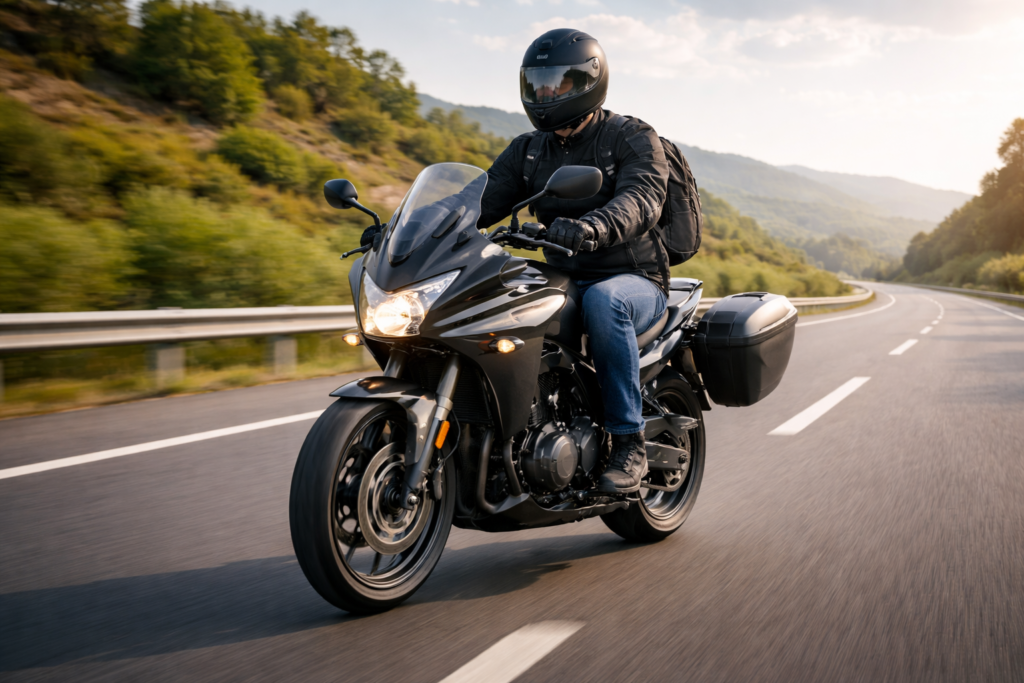
The quality of suspension is an important factor since Indian roads may be in a bad state. Having a properly developed suspension system, a shock caused by potholes and rough surfaces is absorbed, providing a calm and stable ride.
A competent suspension would not only increase comfort but also enable control and balance, particularly at higher speeds. Modern suspension systems on bikes help in improving handling as well as give an individual the confidence to ride without fear.
Safety Features and Technology.
Safety is one of the very important things that should not be sacrificed. The characteristics like the anti-lock braking system (ABS) and disc brakes enhance the fineness of braking and minimize the likelihood of falling, especially in crisis cases.
Besides safety, new bicycles also provide such technological solutions as digital displays, navigation systems, and mobile connections. Although these are not a necessity, they are definitely more convenient and better to ride with.
Maintenance and Cost of Ownership.
The ownership of a bike does not end with the purchase itself. The long-term satisfaction is greatly affected by the cost of maintenance, availability of spare parts, and service network.
One must have a bike that is not difficult to maintain, and the service centers should be easily accessible so that the rider feels secure. One can always be prudent enough to research and get the service intervals and average costs of maintenance before determining the final decision.
Importance of Test Riding
A test ride will involve a personal experience of the bike in the actual conditions. It assists in gauging comfort, handling, engine smoothness, and braking action.
During the test ride, riders should have enough time to assess the expectations about the bike. This is an important step that must never be overlooked because specifications do not indicate real performance.
Conclusion
The careful consideration of the performance, comfort, efficiency, and safety of a bike must be taken into account when choosing the most suitable one to use on a regular basis in terms of commuting to work and going on long journeys. Knowing the unique requirements of the rider, buyers are able to make smart decisions that would yield in the long term.
A properly selected bike can make the daily commuting process easier, and long trips can become pleasant and unforgettable.
Frequently Asked Questions (FAQs).
1. What is the most suitable capacity of the engine in mixed applications?
The 150-200cc is perfect because it offers balance in regard to fuel economy and power to ride on the highways.
2. Is comfort superior to mileage?
They are both essential, but comfort is essential during long rides, whereas mileage is essential when commuting during the day.
3. Is it possible to have a single bike to be able to ride in the city and also for long distances?
A few of the current bikes are made in such a way that they are versatile to both.
4. What is the significance of the suspension quality?
Of great significance, as it has a direct impact on ride quality and handling on rough roads.
5. Should I take maintenance into consideration prior to purchase?
Yes, this is because the maintenance costs are low and the services are easily accessible, making it affordable in the long term.

.png?Expires=1832657720&Key-Pair-Id=K2ZIVPTIP2VGHC&Signature=i2uaAN5CdafF5eifpIepJMMmIXUZdnt2RQfgmco1qDPS-7OTlMIZc4oZIUzVtBcBmWFfgpc3B4Yyg~GOYjm2urYMggAfpeNy0iVRFHwt-8AmCXkFFG~9cBRlCGYBiGLReh6P5TQOxxVCQCaMBopCandMFvuBWgr6s66Agc-bNGm4ZyuY99uW554-4ipYOHxQPSUnijD2hNK0if1Fon8cR-VubSwiFpiq0~S9BgYxeP9WAk8erRAVMtjGQosxHE~fj6uf-Mk61TD2Kv4t1Q8PHUOhzZLEN4cmrda9BnzgVqC6aJ9W8ZMoN5Tm1TCcGBAFG3QB3wW97Um1JswGAJlX6Q__)