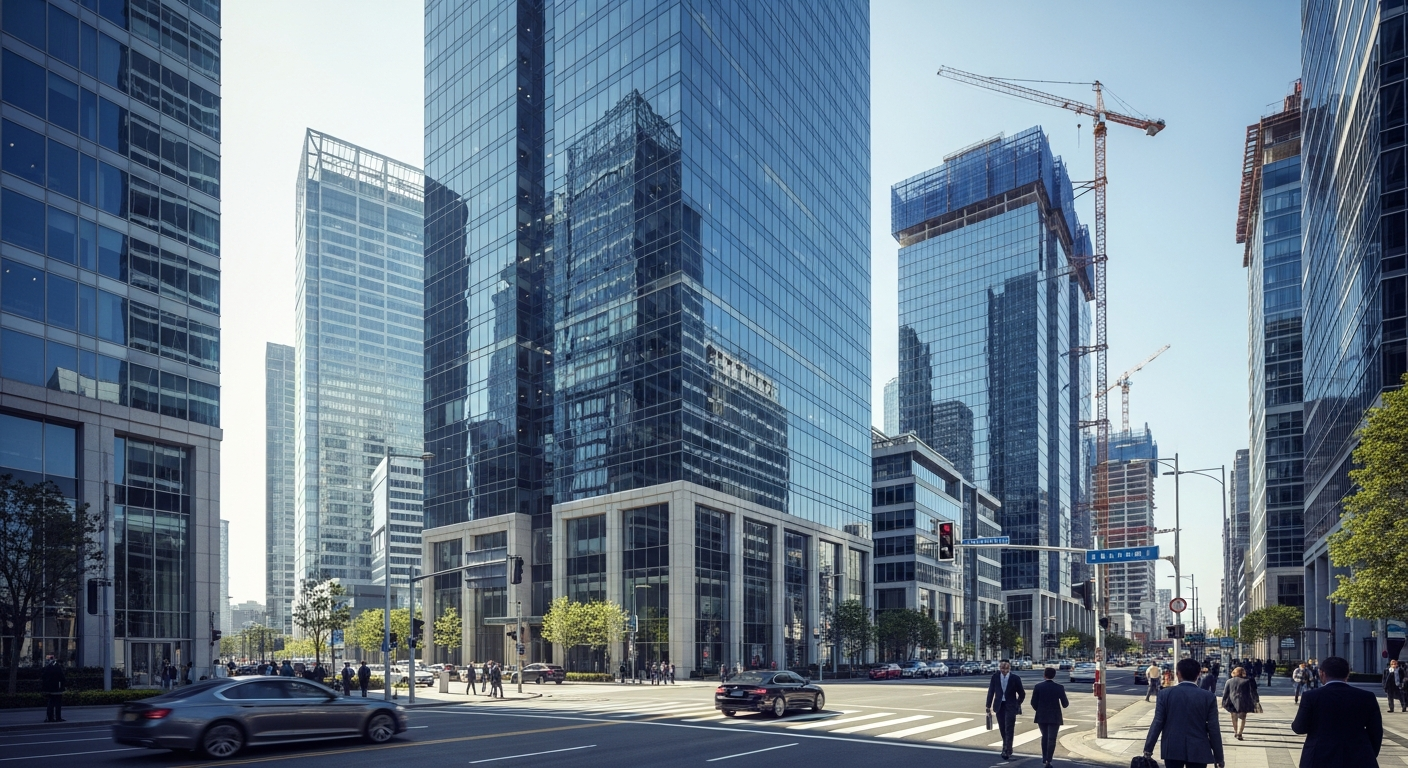
The future of real estate in 2026 can be distinctly split into two development scenarios. On the one hand, residential housing is experiencing decreased demand and reserved consumers. Commercial real estate is growing at a good rate on the other, with the business and investors attracted. This change is not a chance phenomenon, it is predetermined by economic factors, trends in the work organization and development of investment approaches.
The Decreasing Residential Housing.
Increasing Interest rates are decreasing Affordability.
Interest rate increment is one of the greatest problems facing the homebuyers today. Increased loan rates also directly affect monthly EMIs so that the buyers with middle-income would hardly afford houses. This has decreased demand generally and in the urban markets in particular.
Property Prices are already at the Peak.
In the last couple of years, there has been a sharp rise in housing price as a result of the high demand and low supply. At this point, the prices have stabilized in most cities such that buyers are unwilling to invest and hence the sales and price adjustments in certain locations have slowed down.
Oversupply in Principal Segments.
There were several residential projects that were introduced by developers during the post-pandemic boom. But due to the declining demand, most of the projects are experiencing the unsold inventory especially in the middle range and high end segments.
a transformation of Buyer Sentiment.
Buyers are increasingly becoming more cautious and slow down in making decisions on purchases. People are postponing home buying due to economic uncertainty, issues of job security and high financial obligations.
Change towards Renting rather than buying.
The flexibility and reduced financial commitment are leading many individuals to rent homes as opposed to purchasing homes. The latter tendency is particularly prominent in younger professionals and urban populations.
Reason Why Commercial Real Estate Is Booming.
High Demand due to Growing Businesses.
Businesses in industries like IT, retail and start ups are increasing their operations. This expansion is fueling the demand of office spaces, retail stores and industrial buildings rendering the commercial real estate to be more dynamic.
Increased Yields on Rentals will appeal to Investors.
Commercial premises offer very high returns in terms of rent than the residential premises. These higher yields attract investors as they are more stable in terms of income in the long term.
Growth of E-Commerce and Logistics.
Online shopping has grown at a very high rate and warehouses and other logistic centers are in great demand. Companies are in need of a storage and distribution network that is efficient; increasing industrial real estate.
Flexible Spaces and Co-Working on the Rise.
The contemporary work culture has heightened the need to have co-working and flexible office facilities. These are cost-effective and scalable options that start ups and freelancers like, and lead to expansion in commercial segments.
More Institutional Investment.
Commercial real estate is being heavily invested in with large investors such as global funds. This capital inflow is boosting the industry and hastening growth.
Shift in the Investment by the investors between Housing and Commercial Assets.
Improved Performance and Stability over the Long term.
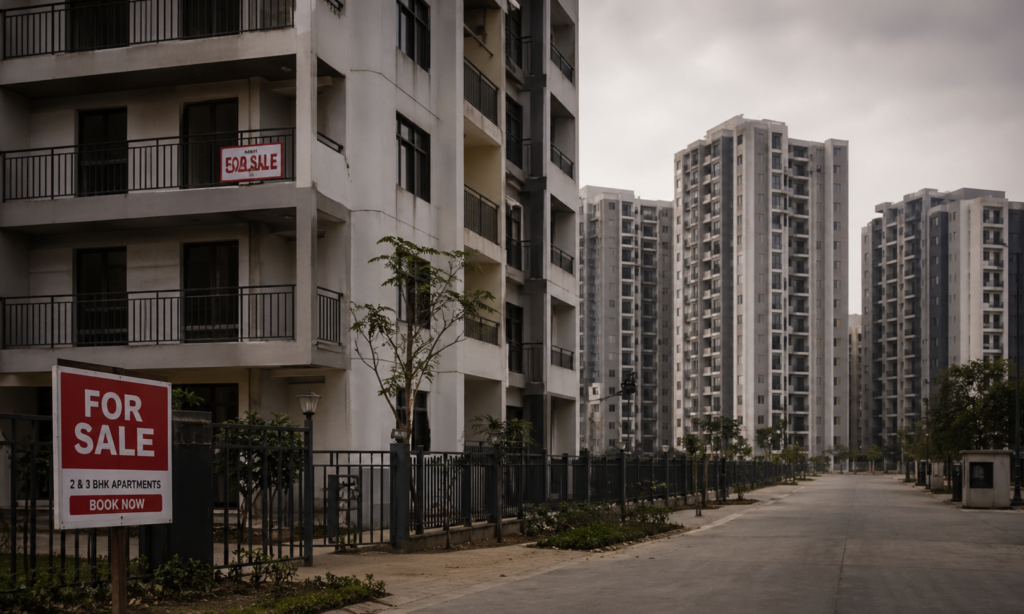
The movement of investors towards commercial properties is on the rise as it provides a secure income of rent as a result of long term leasing. This is a way of minimizing risk as compared to residential investments where returns are less and predictable.
Growth of REITs
Small investors have been able to penetrate the commercial market by Real Estate Investment Trusts (REITs). They enable individuals to make investment in big commercial buildings without necessarily purchasing them.
Investment Portfolio diversification.
Commercial real estate assists investors in diversifying their investments. They are able to mitigate reliance on the performance in the residential market by investing in office spaces, retail and warehouses.
The influence of Infrastructure and Urban Development.
New Business Centres.
New commercial zones are being developed with government programs and development of infrastructure. With such hubs, companies are attracted, and this puts pressure on office and retail spaces.
Better Connections to Increased Demand.
The commercial locations are becoming more accessible due to better highways, metro network and transport systems. This enhances the business operations and value of property.
Major Differences between Commercial and Residential Markets.
- Commercial properties are more profitable to rent and have better returns.
- The interest rates and affordability influence the demand for residential housing.
- Business assets are dependent on business growth and economic growth.
- The residential market is very much a matter of individual buyer sentiment.
- Commercials have a lower investment risk as there are long-term lease agreements.
Major Causes of Diversity in the Market.
- Increasing interest rates on home loans decreasing home demand.
- High commercial space demand as a result of good business growth.
- Expansion of e-commerce leads to a higher demand for warehouses.
- Increased returns that are enticing investors into commercial properties.
- More institutional investment enhances the business sector.
Conclusion
The future market of real estate in 2026 is a clear indication of a two-speed trend. Residential housing is struggling with the issue of affordability and economic issues but commercial real estate is enjoying the fruits of business expansion, improved returns and investor confidence. The trend underscores the evolving interests of the property market where income-generating properties are increasingly more appealing compared to conventional homeownership.
It is crucial to the investors and stakeholders to comprehend this disjuncture. The people that fit in these trends and make wise choices will be more likely to have an advantage in the changing real estate context.
FAQs
1. How come that commercial real estate is increasing at a higher rate than residential?
Commercial real estate is expanding at an accelerated rate since it has greater rental returns, businesses are willing and interested in it, and long term lease contracts that favour investors.
2. Time to invest in commercial property?
Yes it can be a fine time provided you are seeking a stable income and greater returns, but it is important to select the right location and tenant.
3. What is the reason that the sales of homes are declining?
The slowdown in the housing sales is attributed to the high interest rate, high price of the property and lower affordability of the buyers.
4. Which kind of commercial properties are demanded?
Offices, warehouses, logistic centres, retail stores, and co-working areas are at present in massive demand.
5. Will the real estate market pick up?
Yes, there is a recovery that is likely to be realized in the housing market once the interest rates normalize and affordability increases.