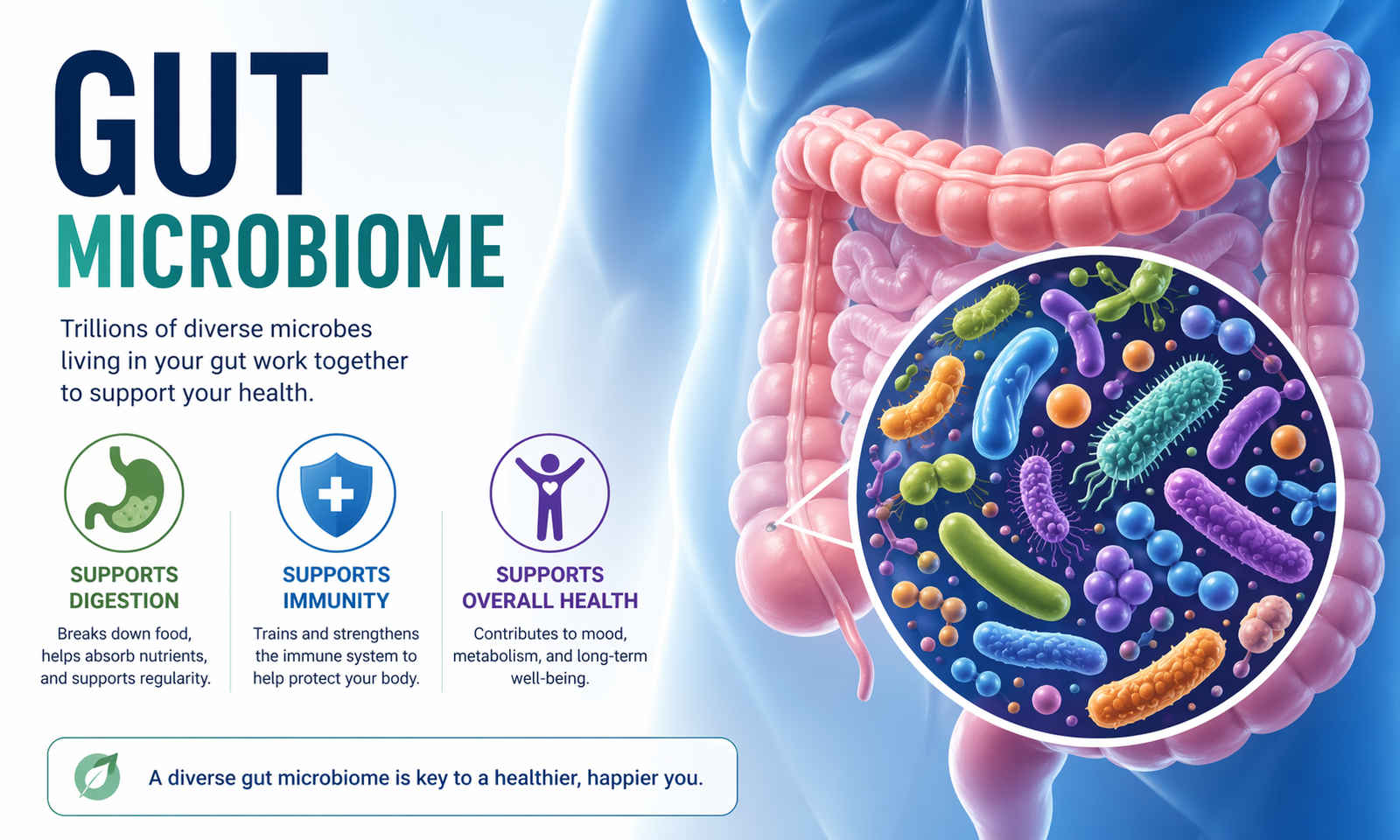
The human gut is no longer considered as simply a digestive tract- it is now known that it is a key center, which affects immunity, mental health and longevity. This revolution in scientific knowledge has resulted in what has become commonly referred to as the Gut Health Revolution. The microbiome is the central aspect of this revolution since it is a considerable ecosystem of microorganisms that is essential in ensuring overall health and wellbeing.
The Gut Microbiome?
An Ecosystem in a Cell.
The microbiome of the gut consists of trillions of bacteria, fungi and other microorganisms which are mostly found in the intestines. These microorganisms play a crucial role in digestion, absorption of nutrients as well as the manufacture of essential substances such as vitamins and enzymes. Instead of being pathogenic, most of these microbes create a symbiotic association with the human body which helps in vital body processes.
A Balanced Diet is the Secret of Health.
The healthy gut relies on a balanced microbiome with the advantageous bacteria in excess of the detrimental ones. The loss of this balance is the cause of dysbiosis when there is an unhealthy diet or stress, or when antibiotics are overused. This imbalance can cause an inflammatory response, gastrointestinal disorders and even a systemic health problem beyond the gut.
The effects of Gut Health on Immunity.
- The gut is a leading immune center as it houses almost 70% of the immune system of the body.
- Good bacteria can lead to training of the immune cells to differentiate between harmful and non-harmful substances.
- The short-chain fatty acids made by intestinal microorganisms enhance the intestinal barrier.
- A healthy microbiome decreases chronic inflammation and decreases the risk of diseases.
- Gut health may be compromised due to poor health leading to immunity being weakened and prone to infection.
The Relationship between the Immune System and the gut.
Gut microbiome is a controller of the immune system, which continually communicates with immune cells. It assists the organism to react well to threats and avoid unwarranted or overreacting of the immune system. This balance will be necessary in preventing autoimmune diseases and healthy lifespan.
Defense Against Disease
Good intestinal bacteria develop an immune effect within the bowels that (i.e., the intestines) harmless microorganisms cannot enter the bloodstream. They also synthesize anti-inflammatory substances which mitigate the chances of chronic diseases like diabetes, cardiovascular problems and bowel inflammatory diseases.
Gut-Brain Axis: Mood and Mental Health.
- The gut and brain are in touch with each other by the gut-brain axis.
- Approximately, 90 percent of serotonin is synthesized in the gut.
- The gut bacteria determines the emotional stability and stress response.
- Anxiety and depression are attributed to imbalanced microbiomes.
- A healthy gut helps keep one focused, in a good mood, and clear-minded.
Contact between the Intestine and Brain.
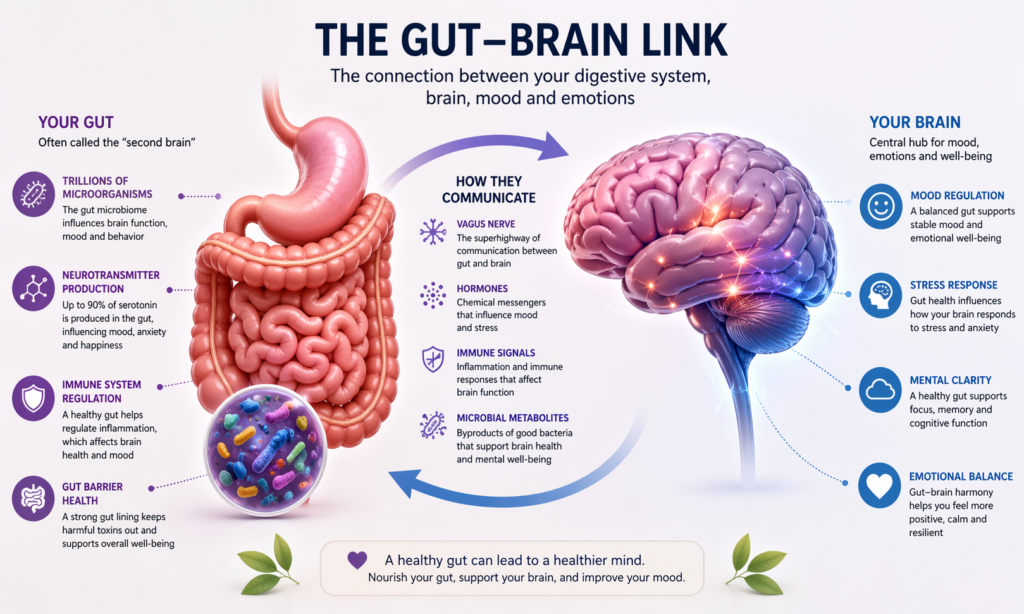
The gut and the brain are linked together through the complex of nerves, hormones and biochemical signals. This relationship enables gut bacteria to directly affect the brain activity, which impacts the way we think, feel and react to stress.
Emotional Well-being: Role.
A normal microbiome helps in maintaining a normal state of mental health as it balances neurotransmitters. The impaired gut health may cause mood disorders, sleepiness, and poor cognitive abilities, making it essential to take care of the right gut health.
Good Gut, Long Life.
Microbial Diversity with Aging.
The natural decrease in diversity of gut bacteria is associated with the aging of the body. The increase in inflammation, compromised immunity and increased susceptibility of chronic diseases are related to this reduction. To healthy aging, it is important to maintain microbial diversity.
Longevity Through Balance
A healthy microbiome is helpful in maintaining efficiency in the metabolism, decreases oxidative stress, and increases the resistance of the body to infections. Studies indicate that those who have healthier gut ecosystems are likely to live longer and have fewer age-related health problems.
The best way to improve your gut health.
Diet and Nutrition
A high fiber, fruit, and vegetable, and fermented food diet is beneficial in feeding good bacteria. These foods serve as energy to the microbiome causing it to grow and be diverse.
Lifestyle Habits
Several activities such as exercise, rest and stress management are important in keeping the gut healthy. Poor sleep and chronic stress may have adverse effects on the balance of microbes.
Responsible Antibiotic Use
Although in some cases antibiotics are needed, excessive use may be detrimental to the good bacteria. Another way of supporting the gut is through probiotics and a healthy diet following antibiotic therapy which helps to bring the gut back to balance.
Prospects of the Gut Health Revolution.
Personalized Nutrition
Current developments in the field of microbiomes are making it possible to have customized diets according to each gut. This will enable health optimization and prevention of disease to be more effective.
Next-Generation Probiotics
The targeted probiotics being developed by scientists target narrow health issues, such as immune disorders to mental health issues.
Microbiome Testing
Easy-to-use testing kits are enabling people to study their gut and take well-informed lifestyle choices based on their own biology.
Conclusion
The gut revolution is changing our way of thinking about wellness. The microbiome is not merely a part of the digestive system, but is an effective network that affects the immunity, mental state, and lifespan. With the right balance of gut due to proper nutrition, healthy lifestyle habits and smart decisions, people can realize the huge change in the overall health and quality of life.
Frequently Asked Question (FAQs).
1. What does an unhealthy gut look like?
Usual symptoms are bloating, gas, fatigue, frequent illness and mood swings.
2. What is the time frame to ameliorate gut health?
Improvements in noticeable changes can take place after 2-4 weeks of consistent changes in diet and lifestyle.
3. Can we all use probiotics?
Not always. Maintaining a healthy gut can be aided by a balanced diet, although probiotics might come in handy in particular instances.
4. Does gut health have an impact on skin?
Yes, bad health of the gut is associated with such things as acne, eczema or inflammation.
5. Does gut health relate with weight management?
Absolutely. The microbiome impacts on metabolism, fat storage and hunger hormones.