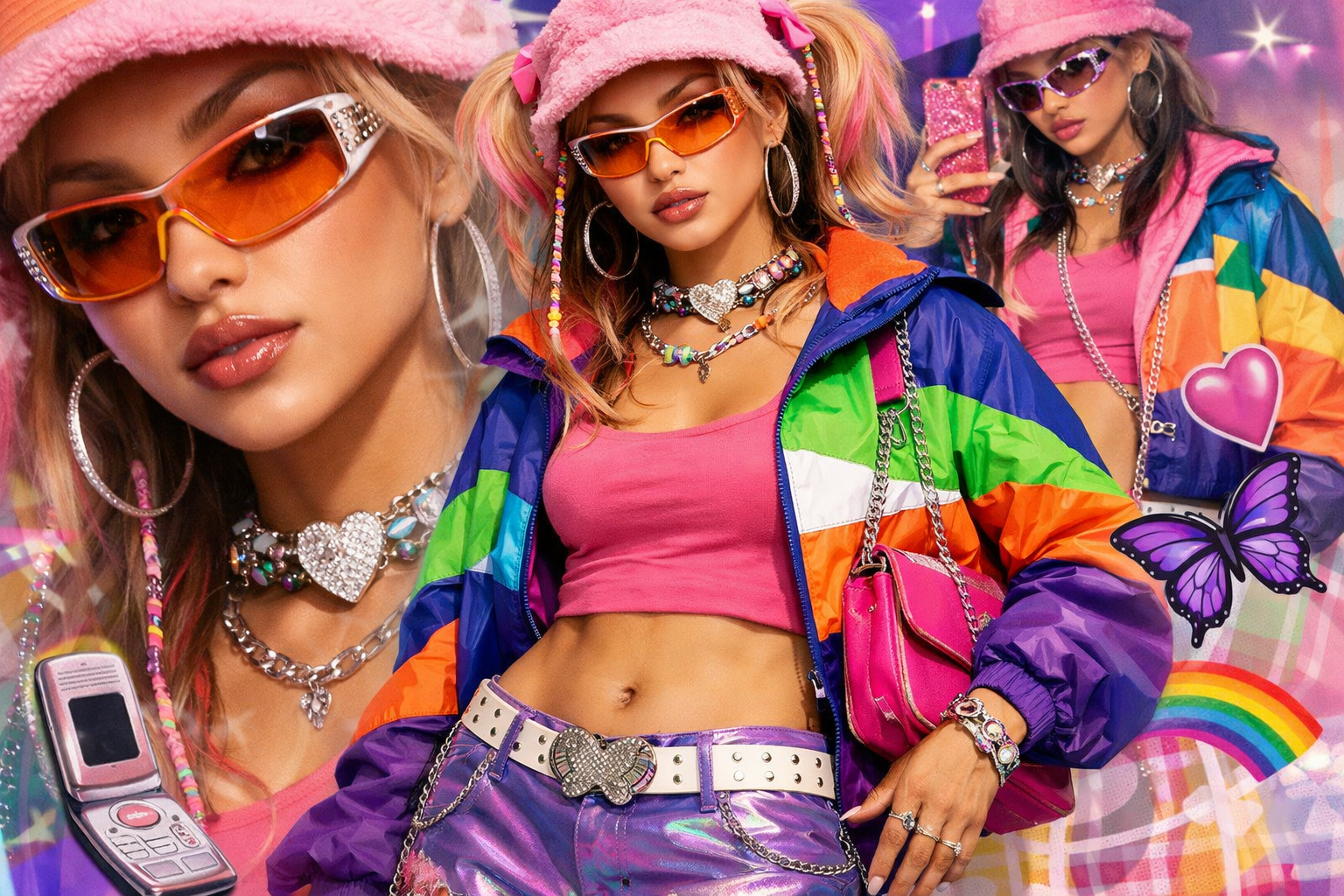
In 2026, fashion is shifting away from trends to a more extreme self-expression. Nostalgia Maximalism 2.0 is an amalgamation of Y2K style and hyper-individual style that creates a lively fashion culture that puts the personality in the forefront. This trend is indicative of a change in touch as few and a move towards expressive fashion, driven by the digital effect, a sense of nostalgia, and the need to be special.
Nostalgia Maximalism 2.0?
- A combination of Y2K nostalgia and new hyper-expression.
- Pay attention to individuality instead of adhering to some trends.
- Bold colors, textures and overlayed styling.
- Inspired by the early 2000 pop culture and internet aesthetics.
- Motivated by social media and influencer fashion.
Evolution from Minimalism to Maximalism
Minimalism prevailed in wardrobes in the last ten years with a predominant use of neutral colours and plain shapes. But in 2026, the trend has changed to expressive maximalism in fashion. Individuals desire to be distinguishable and not to be homogenous and they use clothes as a form of expression. This development is directly related to the digital culture, in which visual peculiarity becomes the focus of attention and a characteristic of personal branding.
Why Y2K Is Back..
The revival of the Y2K fashion has a basis on nostalgia and aesthetics. Low-rise jeans, crop tops, and shineless material, which were popular in the early 2000s, are especially popular with younger audiences who put their spin on styles. These aesthetics are constantly recycled and intensified through social media, and thus they seem to be new and up-to-date in the fashion scene.
Nostalgic Emotional attachment.
Nostalgia is a strong psychological factor of fashion. The past-inspired styles are comfortable and familiarizing, particularly when much is changing so quickly. Nostalgia Maximalism 2.0 takes these emotional ties and turns them into a statement of bold fashion, memory and contemporary identity.
Important Factors that influence the Trend.
- Dominating color palettes of outfits, neon and metallic.
- Bravado mixing of designs, materials and shapes.
- Jewelry and mini bags accessories Statement accessories, such as chunky jewelry and mini bags.
- Self-designed and customized fashion.
- The styling of gender fluidity going outside the norm.
Styling Influence of Digital.
Social media has turned into the major force of fashion exploration. Social sites prompt the users to post pictures of outrageous dresses, which can influence others to dress the same. The creators and influencers become a trend amplifier and bring a maximalist aesthetic to the popular culture, encouraging the idea of individuality instead of conformity.
Technology in Fashion.
The way in which people have to deal with fashion is changing with technology. The AI styling devices and augmented reality enable users to test bold looks prior to making a commitment to them. This will minimize reluctance and make fashion more participatory and accessible to more people who will adopt maximumist fashions.
Fusion of cultures in fashion.
Contemporary fashion is integrated with the global influences in a smooth way. K-pop and street style, vintage western fashion, and digital aesthetics are combined to form distinctive appearances. The fusion of cultures is an indication of a more interconnected world, in which fashion is a universal language of creativity and identity.
Hyper-Expression as the New Identified Language.
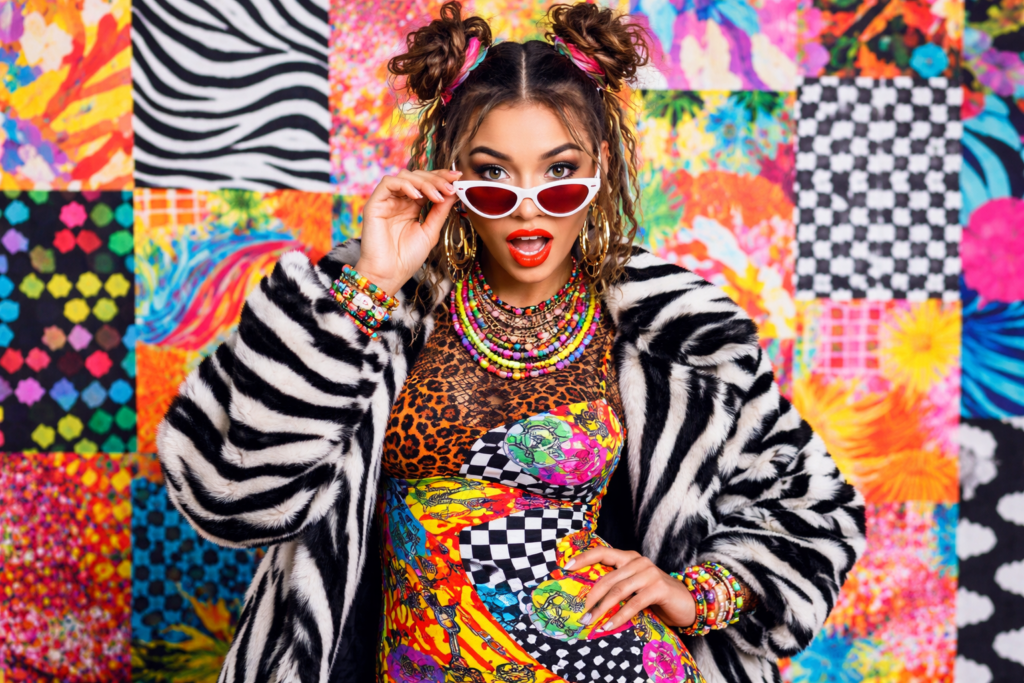
There is no clothing anymore in fashion in 2026 but a way of communication. Hyper-expression enables people to express their mood, beliefs and personality visually by the way they dress up.
Fashion as a way of personal branding.
Fashion is a continuation of the online one in a digital-first world. People select the outfits the same way that they create social media profiles, making sure that all the looks correspond to their own story. Such a change is turning fashion into more purposeful and narrative.
Gen Z and Gen Alpha Effect.
This movement is led by the younger generations. They do not adhere to strict fashion principles and follow loose and experimental fashions. The combination of vintage and fashionable elements gives them a unique and significant look.
Fashion, Felt.
Clothing has turned out to be a means of visualizing the feelings. Bright colors, bold patterns and unusual combinations express moods and attitudes, transforming the ordinary clothes in the dynamic forms of self-expression.
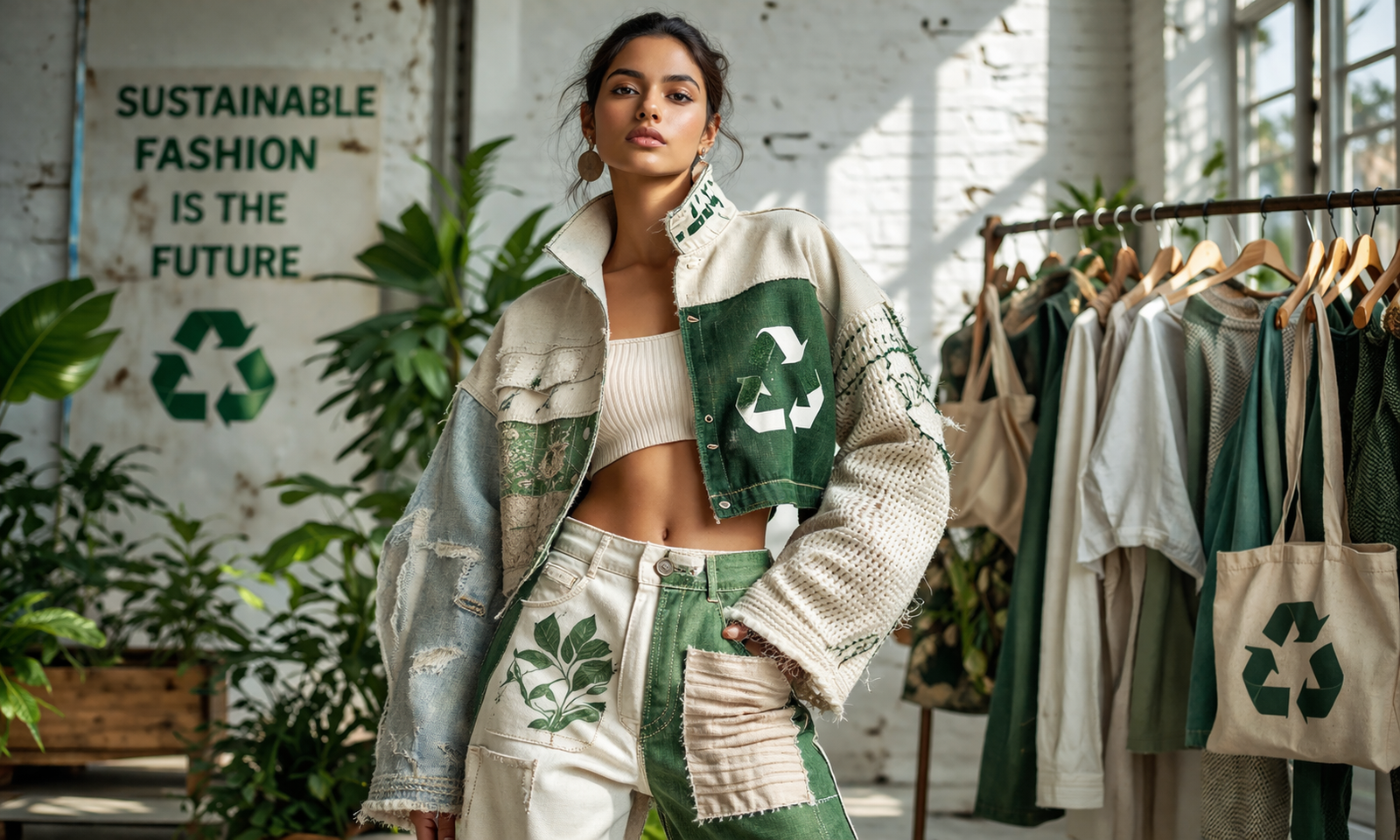
Sustainability is Maximalism.
Nostalgia Maximalism 2.0 may be boldly presented but it is more responsible than the traditional fast fashion because of its use of sustainable practices.
Thrifting and Upcycling.
Trying to find something special, consumers are increasing their visits to the thrift stores and vintage markets. Re-using old clothes as a source of new designs not only decreases the amount of waste, but also adds individuality.
gradual Fashion Integration.
People opt to purchase longer-lasting statement clothes, rather than spending money on purchasing the disposable ones. This strategy puts maximalism and sustainability on equal footing, and demonstrates that mindful fashion can be bold, as well.
On-line Fashion Alternatives.
Online garments and online wardrobes are becoming more and more popular. These inventions enable people to test out excessively glamorous styles without having an impact on the environmental destruction, merging creativity and sustainability.
The Fashion Industry is affected.
Nostalgia Maximalism 2.0 is changing the nature of the brand’s operation and their linkage with consumers.
Change in Design Philosopher.
Designers are welcoming to radical experimentation, with the fusion of retro with futuristic designs. The change promotes innovation and creativity in the industry.
Micro-Trends.
Fashion patterns are increasingly accelerating and there are micro trends that come and go. Fashion is dynamic more than ever and this is attributed to the use of social media in this rapid evolution.
Consumer-Centric Fashion
The brands are concentrating on personalization whereby the customer gets to customize their clothing. This method enhances the relationship between the consumers and fashion as it is more interactive and meaningful.
Conclusion
Nostalgia Maximalism 2.0 is an influential change in fashion, სადაც individuality and creativity are put above the customary tendencies. This movement incorporates both the Y2K nostalgia and hyper-expression to rebrand fashion as a highly individual and dynamic way of self. With an ever evolving sustainability, technology and cultural fusion, maximalism will continue being a catalyst of fashion in the future in 2026 and beyond.
Frequently Asked Questions (FAQs).
Nostalgia Maximalism 2.0 What?
It is a fashion movement which incorporates Y2K-esque styles with expressive, bold and very personal fashion selections.
What is the reason why Y2K fashion is popular once again?
Y2K fashion is aesthetically pleasing, nostalgic, and fits trends that are popularized by social media.
Will maximalist fashion be sustainable?
Yes, when in the form of thrifting, upcycling, and conscious consumption.
Who is impacting this trend the most?
The driving force of this movement is Gen Z, Gen Alpha and digital creators.
What can I do to begin to dress in this way?
Start with a combination of old with new fashion, color play, and make a statement with accessories.