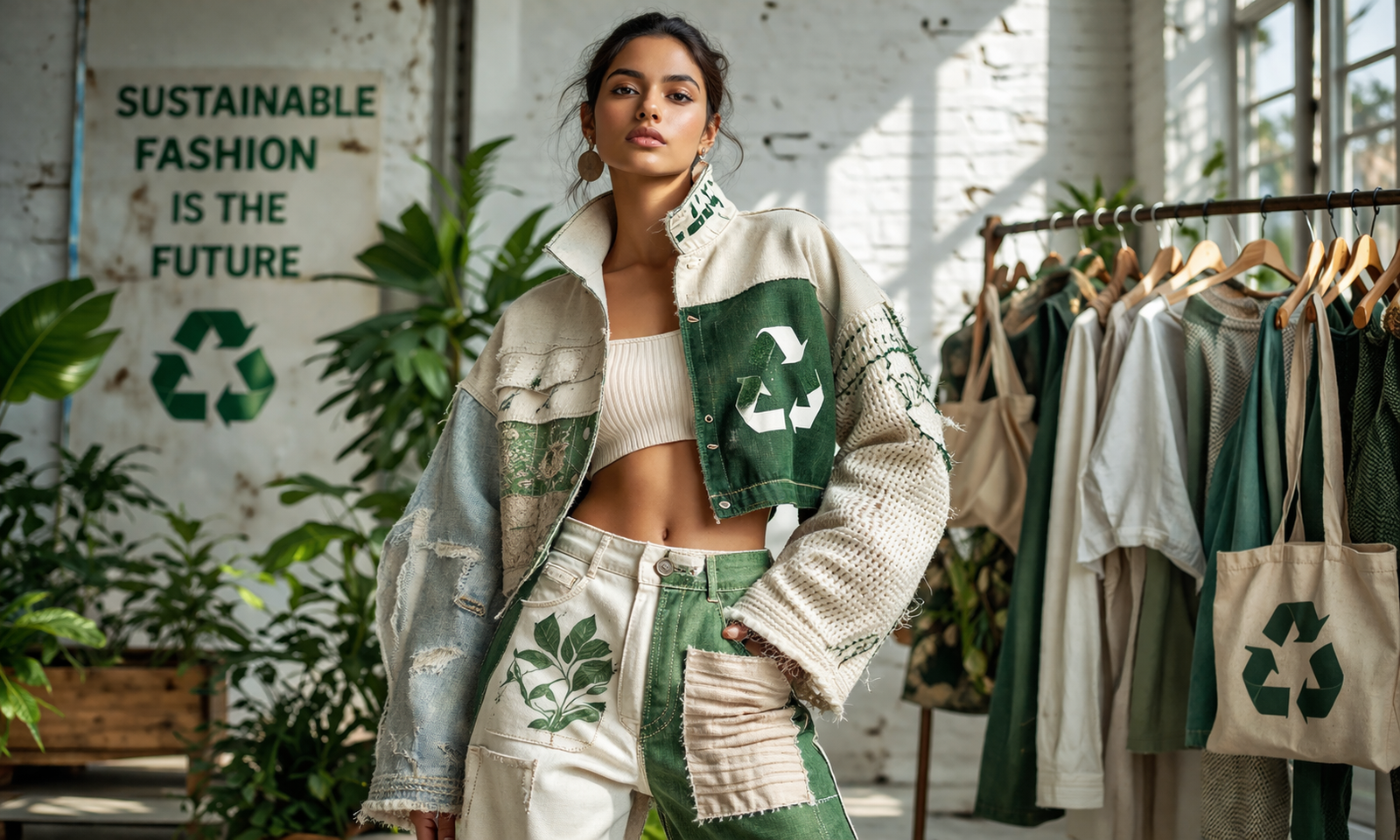
Fashion is not only about trends anymore in 2026, it is about responsibility. Sustainable fashion has become a strong movement as the environment becomes more concerned and consumers are becoming more conscious of their decisions. The population is no longer concerned with style but how their garments are manufactured, the materials employed and the effect they have on the planet.
Green fashion is not a transient change; it is a long-lasting change in the fashion industry.
What is Sustainable Fashion?
Sustainable fashion is the fashion that is designed, manufactured, and used in a manner that tends to minimise environmental degradation and enhance ethical behaviour. It is concerned with employing environmentally-friendly material, lessening wastage, and treating employees fairly.
Core Principles
Eco-fashion has a few ideas that it is based on. It does not focus on quantity but quality whereby individuals are urged to purchase few, but lasting products. It also encourages the application of natural materials and recycling materials and reduction of pollution in manufacturing. Ethical labor is another key consideration where the workers receive fair wages and work in safe environments.
The Reason behind Sustainable Fashion Growth in 2026.
Environmental Awareness
Today, consumers are more aware of the adverse effect that fast fashion has on their environment such as water pollution and textile waste. This consciousness is compelling individuals to make more responsible decisions.
Consumer Behavior Change.
The contemporary consumers want to have brands that are symbolic of their values. Transparency and sustainability are emerging as determinants of decision making and not a luxury.
Digital Influence
The social media networks are significantly contributing to the introduction of environmentally friendly lifestyles. Influencers and brands are informing people and making sustainable fashion more available.
Significant Tendencies in Sustainable Fashion.
Move to Quality and Longevity.
People are purchasing quality items that are not disposable and expensive, instead of purchasing low-quality items which are disposable. This saves on waste and money in the long run.
Materials Innovation.
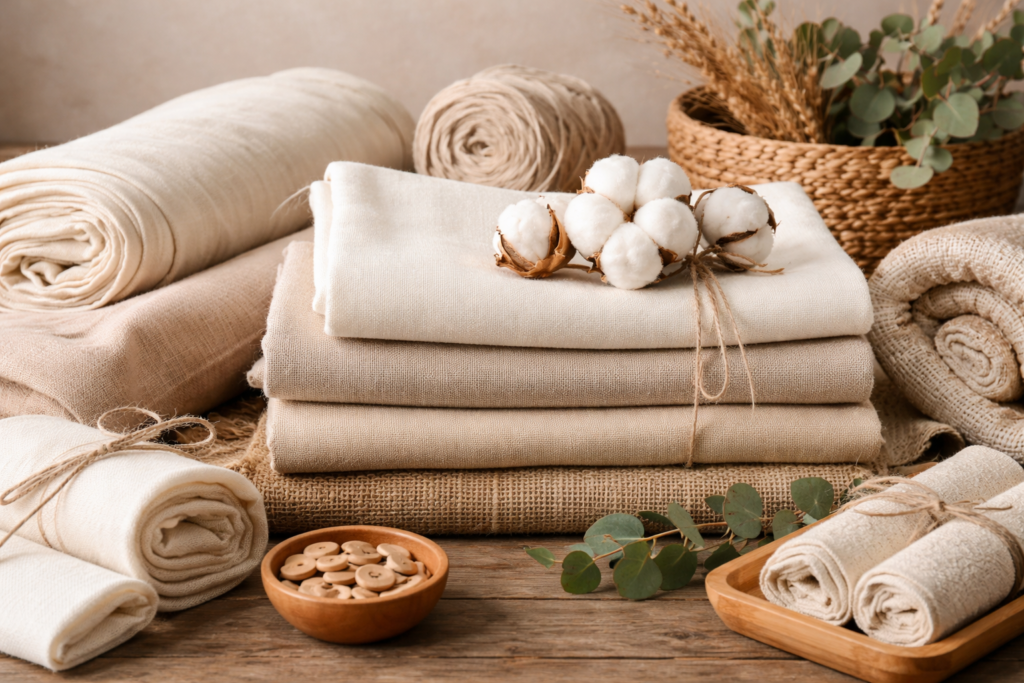
Use of plant based materials such as hemp and bamboo is on the rise. Meanwhile, waste materials are being made into stylish and long-lasting garments.
Circular Fashion Models.
Reusing and recycling of clothing is becoming a norm. Circular fashion is currently experiencing an increase in popularity with thrift shopping, clothing rentals, and resale platforms.
Success of Sustainable Fashion.
Sustainable fashion presents a moderate benefit to the environment and the society. It assists in minimizing pollution, natural resources conservation and carbon emissions. Meanwhile, it promotes moral labor relations and rewards fair pay.
As a consumer, sustainable clothing tends to be of higher quality and longer-lasting, thus smarter as an investment in the long-term.
Objections to Conquer.
Irrespective of its growth, sustainable fashion continues to experience certain challenges. Cost is one of the primary obstacles since green production may be costlier. The other concern is greenwashing in which the brands will purport to be green. Further, in certain areas, adoption is still slow due to the lack of awareness.
How You Can Support Sustainable Fashion.
Being a sustainable fashion person does not need a total lifestyle transformation. It is just a few little things that can help. Pay attention to purchasing less and of higher quality clothing. Select brands that are transparent throughout their practices. There is also the reusing of worn out garments, repairing, or giving old clothes to donate, which also reduces wastage.
The first step to making your wardrobe a little more sustainable is to be mindful of what you buy.
Future of Environmentally-Friendly Style.
Sustainability in fashion is evidently the way forward. As the technology improves and the world becomes more aware of green practices, environmentally-friendly practices will soon become the norm in the industry. Brands that are not flexible might not survive in this new environment.
Sustainable fashion transcends mere apparel; it embodies a commitment to a more promising future.
Conclusion
The increasing enthusiasm for sustainable fashion observed in 2026 reflects a shift in societal perspectives on conscious living. This movement integrates aesthetic appeal with a sense of accountability, enabling individuals to articulate their identities while simultaneously prioritizing environmental stewardship. Consequently, as a growing number of consumers adopt this ethos, the fashion industry is poised to advance toward a more environmentally sound and ethically responsible trajectory.
Frequently Asked Questions (FAQs)
1. What is sustainable about fashion?
A sustainable fashion is one that is made out of environmentally friendly materials and ethical manufacturing methods.
2. Is sustainable fashion worth the price?
Yes, as it is more durable and it does not require frequent purchases.
3. What is the best way to begin with sustainable fashion?
The first step is to purchase less, select quality goods, and use ethical brands.
4. What are the sustainable fabrics?
Sustainable fashion is often made of organic cotton, hemp, bamboo, and recycled fabrics.
5. Is sustainable fashion a substitute for fast fashion?
Yes, sustainable fashion is emerging as a potent competitor to fast fashion with increasing awareness.