There is a colossal change in the education scenario. Microlearning is challenging the traditional degree programs, which are now seen as the only way to success. The short, skill-based courses are more preferable to the years-long academic obligations of learners due to declining attention span, changing job opportunities, and swift technological progress. This change is not only a fashion but also a revolution that is redefining the nature of knowledge consumption and application.
What is Microlearning?
Microlearning is a concept of learning that is provided in small and concentrated portions. These are short lessons of several minutes to an hour, which are aimed at imparting a particular skill or concept. Microlearning is specific, fieldwork and can be applied right away, unlike the traditional one which usually deals with general topics and takes long periods of time.
This is the best approach to the new lifestyles in which individuals desire to acquire knowledge very fast without disrupting their daily lives. Microlearning enables users to receive education anywhere, any time it takes place either through mobile applications, online tools or video training.
The reason why Microlearning is becoming popular.
Flexibility and Convenience.
Flexibility is one of the largest strengths of microlearning. Students are able to learn at their own pace, learn certain topics and escape the strict schedule of a traditional institution. This is particularly attractive to work-going people and students who have a lot to attend to.
Cost-Effective Learning
The old fashioned degrees might be costly in that they may require tuition fees, accommodation expenses and other charges. Microlearning courses, on the other hand, cost a lot less, some of them being free. This creates the space of a broader audience.
Skill-Focused Approach
In the current world, employers are not so much concerned with degrees but more with skills. Microlearning is practical-based, which allows learners to acquire job-ready skills within a short period. Coding and digital marketing, as well as graphic design, can bring benefits to the workplace at once.
Important Developments of the Microlearning Revolution.
- Concise lessons that conserve time and enhance efficiency in learning.
- Low tuition fees versus high tuition fees of the traditional degree programs.
- Learning that was based on skills and was in correspondence with job requirements.
- Patterns of learning that are flexible enough to be applied by both students and professionals.
- Rapid career development by learning new skills.
- Available anywhere and any time via online services.
Microlearning and Traditional Degrees.
Time Investment
The classic degrees may require 3-5 years or more to uncover, and the microlearning courses may be accomplished within days or weeks. This pace enables the learners to move with the shifting industry needs.
Learning Experience
Degrees can be filled with theoretical information that is not necessarily practical. Microlearning, in its turn, focuses on practical learning and practice.
Career Outcomes
Although higher qualifications such as degrees are still applicable in some sectors such as medicine and law, numerous sectors are currently embracing certifications and portfolios as evidence of professionalism. Microlearning is good in developing these credentials effectively.
Driving Industries: the Microlearning Revolution.
Technology and IT
The technological sphere is changing fast and it is necessary to constantly study. Microlearning keeps professionals abreast of the new tools, programming languages and trends.
Marketing and Business
The areas where skills are more important than education are including digital marketing, social media management, and entrepreneurship. The short courses enable the learner to remain competitive.
Creative Fields
Visual arts, film editing and creating content survive on applied capabilities. Microlearning sites have a step-by-step tutorial that enables the learner to create a portfolio within a short period of time.
The Advantages of Microlearning in Contemporary Learners.
Improved Retention
Lessons which are short and focused are easy to remember and understand. The students are able to reread what they are required to at a later time and this enhances their long term memory.
Individualized Learning Instruction.
Microlearning enables one to decide what to learn. This one-on-one strategy is more engaging and motivating.
Faster Career Growth
Being able to master new skills very fast, people can change professions, receive promotions, or become freelance employees without spending years to get a degree.
Struggles of Microlearning.
Microlearning has its limitations even though it has its benefits. There are tricky topics that might need a comprehensive learning process that might not be achieved during brief courses. Also, the standardization of certifications may not be standard and this may complicate the process of assessing credibility by an employer.
Self-discipline is another problem. Microlearning is usually self-paced and, therefore, learners require great motivation to finish the courses and have the knowledge applied properly.
The Future of Education

The emergence of microlearning is not the death of conventional degrees, although it is a sign of the change of priorities. There is also the emergence of hybrid models that involve formal education and skill based learning. Colleges too are adjusting to this by providing shorter certification courses and online courses.
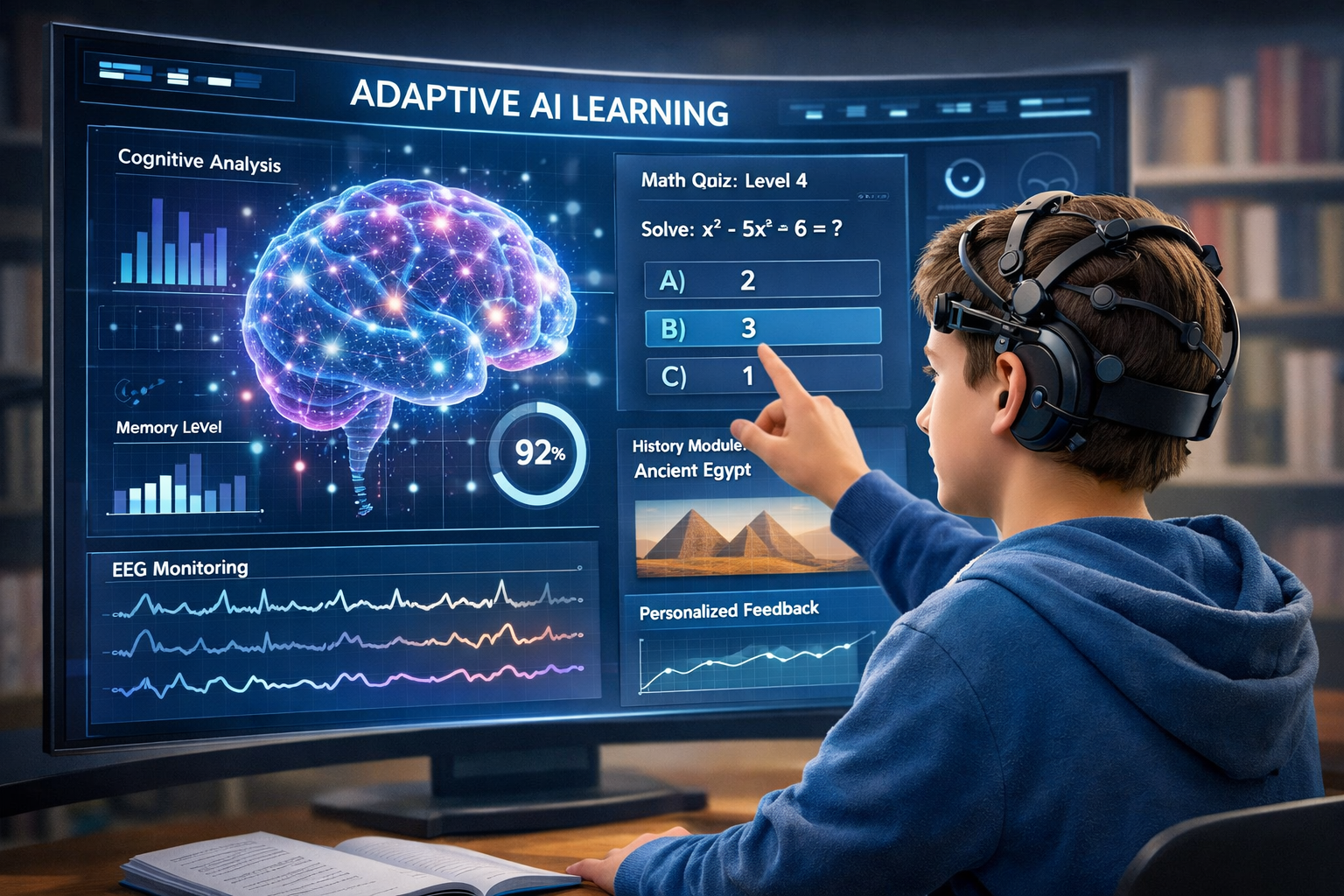
With the ever-changing technology, microlearning is going to be even more interactive and personalized, deploying AI and data analytics to shape content to the needs of individuals. This will also increase its usefulness and use across the globe.
Conclusion
Education is being redefined through a microlearning revolution that is making it more accessible, cheaper and more relevant. Although conventional degrees are still relevant in some areas, the need to have fast skills-based training is increasing very fast. Microlearning enables the person to control his or her learning, keep up with the evolving industries and realize his or her goals more quickly than it has ever been.
Frequently Asked Questions (FAQs).
1. What is microlearning simply put?
Microlearning is a learning approach where it involves short lessons that are focused and are used to impart certain skills in a fast and efficient way.
2. Are degree courses superior to microlearning courses?
They are not improved but more appropriate to skill-based learning and expeditious career progression whereas degrees are indispensable to specialized occupations.
3. Is microlearning useful in securing employment?
Well, most employers appreciate practical skills acquired under microlearning particularly the ones in IT, marketing and design.
4. What is the duration of a microlearning course?
The majority of courses take only a couple of hours, days, or weeks, which is dependent on the complexity of the subject.
5. Is microlearning internationally accepted?
Although not truly globalized, most platforms provide not only certifications that are universally recognized by employers but also those that are well-regarded internationally.